
CALL US
(866)223-5699
(866)223-5699

Wind direction is an important part of understanding the weather. It helps sailors navigate, meteorologists monitor changing conditions, and weather enthusiasts understand how air moves around their surroundings. One of the simplest instruments used to determine wind direction is the wind vane, also known as a weather vane.
From traditional arrow-shaped ornaments mounted on rooftops to modern sensors connected to automated weather stations, wind vanes help people identify the direction from which the wind is blowing. When combined with other weather instruments, they can also contribute to a more complete picture of local weather conditions.
In this guide, we’ll explain how wind vanes work, explore their history and practical applications, and compare wind vanes with anemometers so you can understand which instrument you need.
A wind vane is a weather instrument that indicates wind direction. It rotates freely on a vertical shaft, allowing the wind to turn it until it aligns with the airflow.
Most traditional wind vanes have an arrow or another directional indicator. The arrowhead points toward the direction the wind is coming from. For example, if the arrow points north, the wind is coming from the north and blowing toward the south.
Wind vanes are available in several designs, including decorative rooftop models, simple garden weather vanes, and professional sensors used in meteorological monitoring systems.
Although a wind vane is useful for identifying wind direction, it does not independently measure wind speed. For that measurement, you need an anemometer.

A traditional wind vane works through a simple mechanical principle: wind pressure causes its moving body to rotate.
Most models include the following components:
Directional indicator: An arrow, blade, or vane that responds to the wind.
Vertical shaft: Supports the moving assembly.
Pivot or bearings: Allow the vane to rotate with minimal resistance.
Mounting base: Secures the instrument to a roof, pole, mast, or other suitable surface.
Directional reference: A north indicator or compass alignment that helps you interpret the reading.
The vane is designed so that wind pressure turns it into alignment with the airflow. Once it settles, its direction indicates where the wind originates.
For accurate readings, the instrument must be installed correctly and allowed to move freely. A poorly aligned mounting base, stiff bearings, or nearby buildings and trees can affect the usefulness of its readings.
Modern electronic wind vanes use sensors to detect the direction of the moving assembly and transmit measurements to a weather station, display, or monitoring system. Depending on the equipment, readings may be recorded locally or transmitted wirelessly.
Wind vanes have a long history in architecture, navigation, and weather observation. Early weather vanes were often mounted on prominent buildings, including churches and other structures, where they could rotate freely above surrounding obstacles.
Over time, wind vanes became both practical weather instruments and decorative architectural features. Designs featuring arrows, animals, and other shapes remain popular on homes, barns, gardens, and cupolas.
As meteorological science developed, wind direction became an important part of systematic weather observation. Modern weather stations incorporated directional sensors alongside thermometers, barometers, rain gauges, and anemometers.
Today, wind vanes are used in everything from home weather stations to professional meteorological networks and industrial monitoring systems. Although their designs have evolved, their primary purpose remains the same: identifying the direction of the wind.
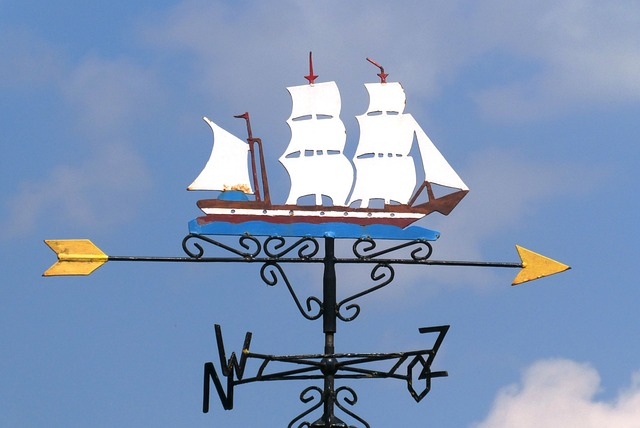
Wind vanes are useful wherever wind direction affects planning, safety, or equipment operation.
Meteorologists use wind direction measurements to understand atmospheric movement and monitor changing weather patterns. When combined with wind speed, air pressure, temperature, and other observations, wind direction helps provide a more complete view of local weather conditions.
Home weather stations also use wind vanes to help enthusiasts observe changing wind patterns around their properties.
Wind direction is important in aviation because it affects runway selection, takeoff, landing, and ground operations. Airports use specialized wind indicators and meteorological systems to provide pilots and ground personnel with information about current wind conditions.
The equipment used in aviation must meet the relevant operational and accuracy requirements.
Sailors use wind direction to adjust sails, plan routes, and understand changing conditions on the water. Wind information is especially useful when planning a sailing route or responding to shifts in the weather.
A wind vane provides directional information, while an anemometer or other weather instrument can supply wind-speed measurements.
Wind direction is important for wind turbine operation. Many horizontal-axis wind turbines use dedicated wind-direction sensors to help their control systems orient the turbine toward the prevailing wind.
This process, known as yaw control, helps the turbine capture available wind energy while supporting safe and efficient operation.
A wind vane used in a turbine control system is different from a simple decorative weather vane, as it must provide measurements suitable for the equipment's control requirements.
Farmers and agricultural professionals can use wind direction to understand local weather conditions and plan certain outdoor activities. Wind direction may also be relevant when evaluating spray drift, ventilation, or the movement of airborne materials.
For these applications, readings should be taken from an appropriately installed sensor. Nearby buildings, trees, and other obstacles can create misleading local wind patterns.

Wind vanes and anemometers are often installed together because they measure two different aspects of wind.
| Feature | Wind Vane | Anemometer |
|---|---|---|
| Primary measurement | Wind direction | Wind speed |
| Typical design | Rotating arrow or directional sensor | Rotating cups, propeller, or electronic sensor |
| Common units | Degrees or compass directions | mph, km/h, m/s, or knots |
| Common applications | Weather monitoring, navigation, turbine orientation | Weather monitoring, aviation, wind energy |
| Can measure both variables? | Not by itself | Not every model measures direction |
Some modern weather stations combine a wind vane and an anemometer in one assembly. This allows the system to measure both wind direction and wind speed.
When choosing equipment, check the product specifications rather than assuming that a device measuring one wind parameter automatically measures the other.
The best wind vane depends on where you plan to use it and how you intend to interpret the readings.
Consider these factors before purchasing one:
Purpose: A decorative weather vane may be suitable for a garden or rooftop, while a professional weather station requires a sensor designed for reliable measurements.
Construction: Outdoor instruments should use materials and finishes suitable for prolonged exposure to weather.
Movement: A mechanical vane should rotate smoothly without sticking or excessive friction.
Directional alignment: The mounting system should allow the instrument to be aligned correctly with north or its specified directional reference.
Compatibility: For electronic models, check whether the sensor works with your existing weather station or monitoring equipment.
Maintenance: Consider whether the instrument is easy to inspect, clean, and maintain.
Install the wind vane in an exposed location where airflow is as representative of the surrounding area as possible. Buildings, trees, walls, and other obstacles can deflect wind and produce readings that differ from the broader conditions.
For a home weather station, follow the manufacturer's recommended mounting height and clearance requirements. Professional weather monitoring installations may use standardized mounting heights and exposure guidelines to support consistent measurements.
After installation, check that the vane rotates freely and that its directional reference is correctly aligned. Periodic inspection can help identify dirt, corrosion, loose mounting hardware, or other problems that may affect performance.

A wind vane measures wind direction. It indicates the direction from which the wind is blowing, usually using compass points or degrees.
No. A conventional wind vane measures direction, not speed. An anemometer is used to measure wind speed. A weather station may combine both instruments to provide a more complete wind reading.
Wind direction helps meteorologists monitor weather patterns and supports activities such as sailing, aviation, agriculture, and wind energy operations. It can also help people assess how airborne materials may move in outdoor environments.
The terms are often used interchangeably. Both generally refer to an instrument that indicates wind direction. The term weather vane is commonly associated with traditional or decorative designs, while wind vane is also widely used for functional and electronic directional sensors.
Install it in a location with relatively unobstructed airflow, away from nearby structures and vegetation that can interfere with wind readings. Follow the instrument manufacturer's guidance for mounting height, clearance, and directional alignment.
Yes. Many weather stations use a wind vane for direction measurements and an anemometer for wind speed. Depending on the system, the readings can be displayed together, recorded, or transmitted for monitoring.
Understanding wind direction is an important part of monitoring local weather. Whether you are observing conditions at home or selecting equipment for a professional application, choosing the right instruments helps you collect more useful weather information.
Explore Weather Scientific's range of weather instruments to find equipment suited to your monitoring needs. You can also explore our weather station offerings for systems that combine wind measurements with other important weather data.

Leave a comment